Arcade Racing Game – Racing Cabinet Buyer's

Racing Cabinet Buyer's Guide

Choosing a racing simulator arcade machine is really a decision about floor space, queue depth and electrical supply, because those three constraints decide more than the game list ever will. This guide walks through the cabinet classes in the current range, the confirmed features of the full-motion flagship, and the site checks that keep an arcade racing game earning long after opening week.

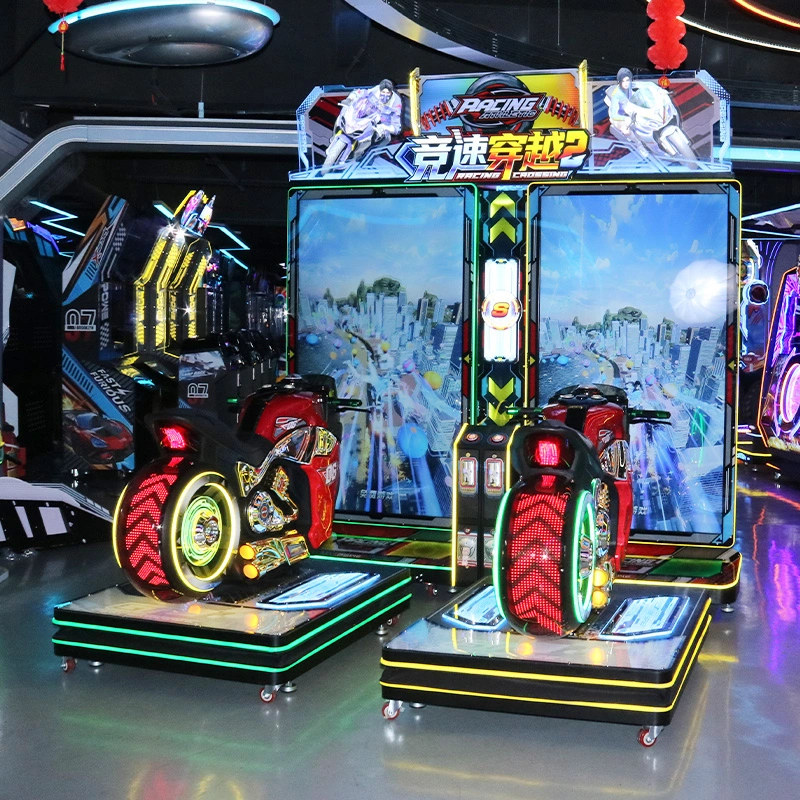
Amusement Park Racing Motorcycles Racing Simulator Coin Operated Game Arcade Machine

Start With The Venue, Not The Cabinet

Match your site conditions to a cabinet class first, then compare details. Each row below answers one buying question that a spec sheet cannot.

Your venue situation Start with The decision it settles
Mall arcade, busy walkway, tight floor plate 43-inch two-player sit-down racer Two seats in a compact stance keep the queue moving without swallowing your aisle.
Dedicated FEC or amusement park race zone with anchor space Full-motion dual-seat simulator with a 75-inch display Motion plus screen size creates the destination ride that supports a premium session price.
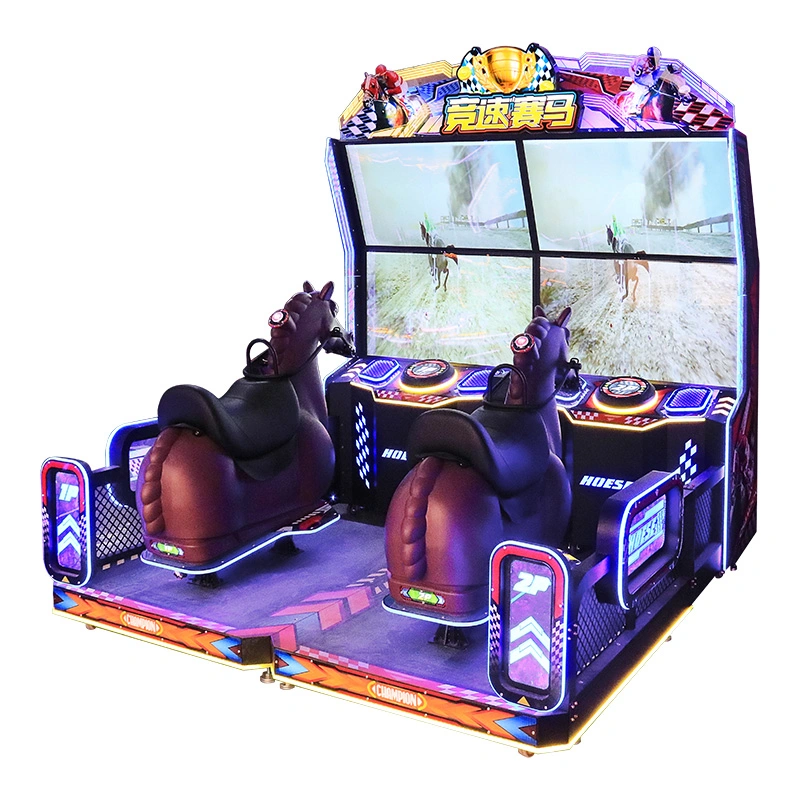
Family centre mixing ride types and age groups Two-player novelty horse racing cabinet A familiar theme pulls family groups that walk past pure racing hardware.
New zone with no confirmed layout yet A configuration proposal based on your floor plan Cabinet count, aisle width and power routing get settled before you commit to a model.
Electrical panel already close to capacity Written working and standby power figures Circuit sizing needs the confirmed number for your configuration, not a headline wattage.

Speed Crossing: What The Cabinet Actually Delivers

The flagship is a racing-simulation cabinet with motion hardware and a large-format screen. These are the details confirmed on the product page, with nothing carried over from other models.

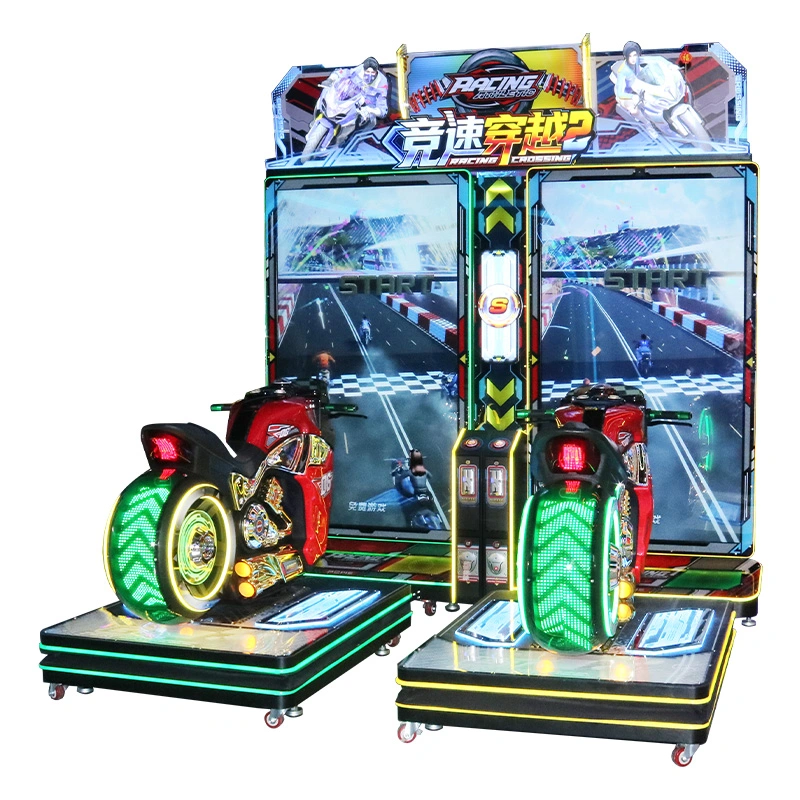
Speed Crossing racing simulator arcade machine, front view of the cabinet
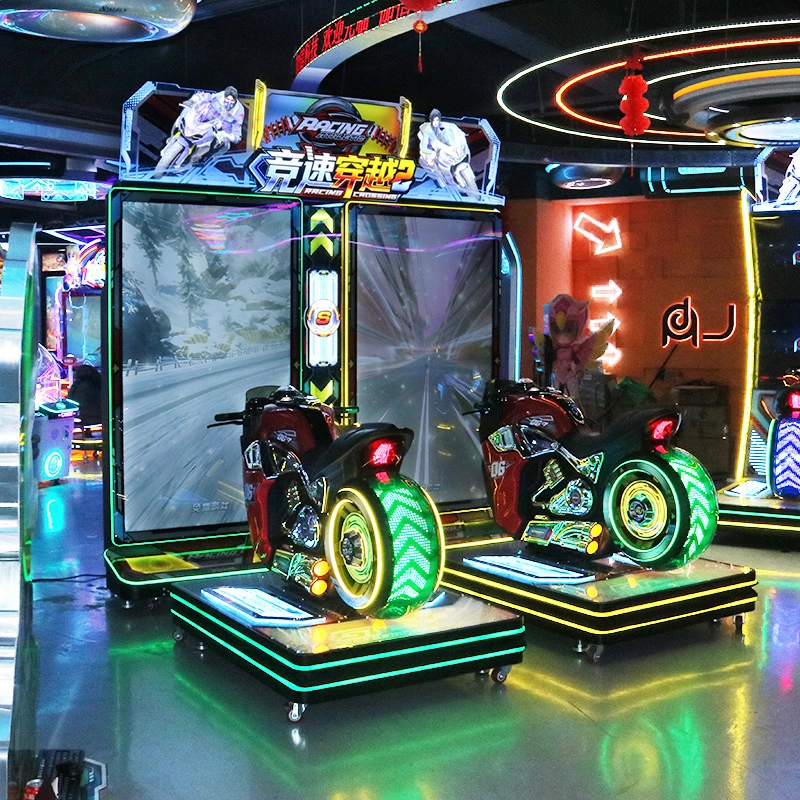
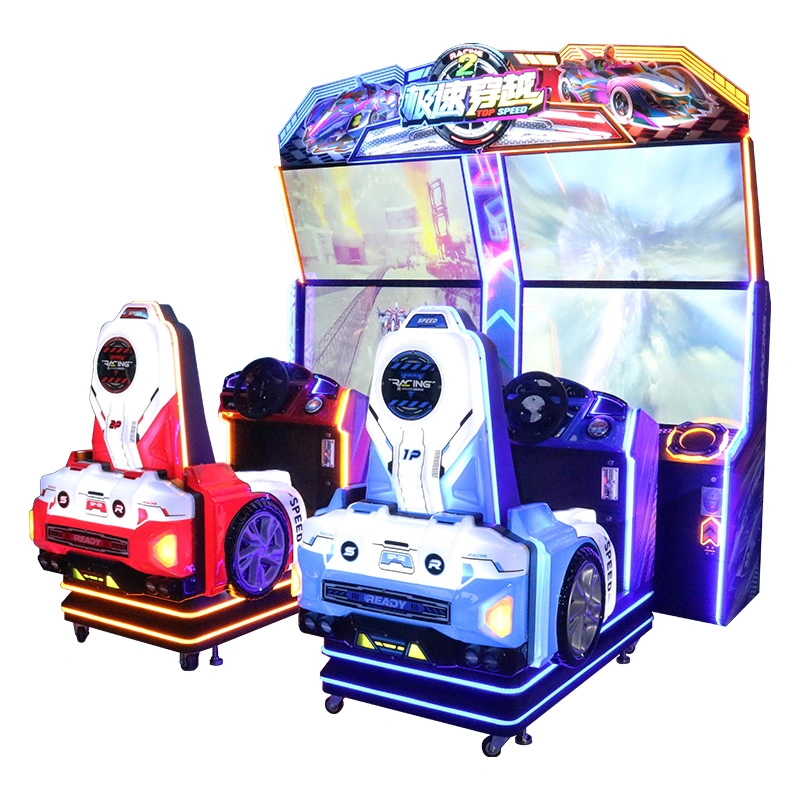
Speed Crossing racing simulator arcade machine, seat area detail
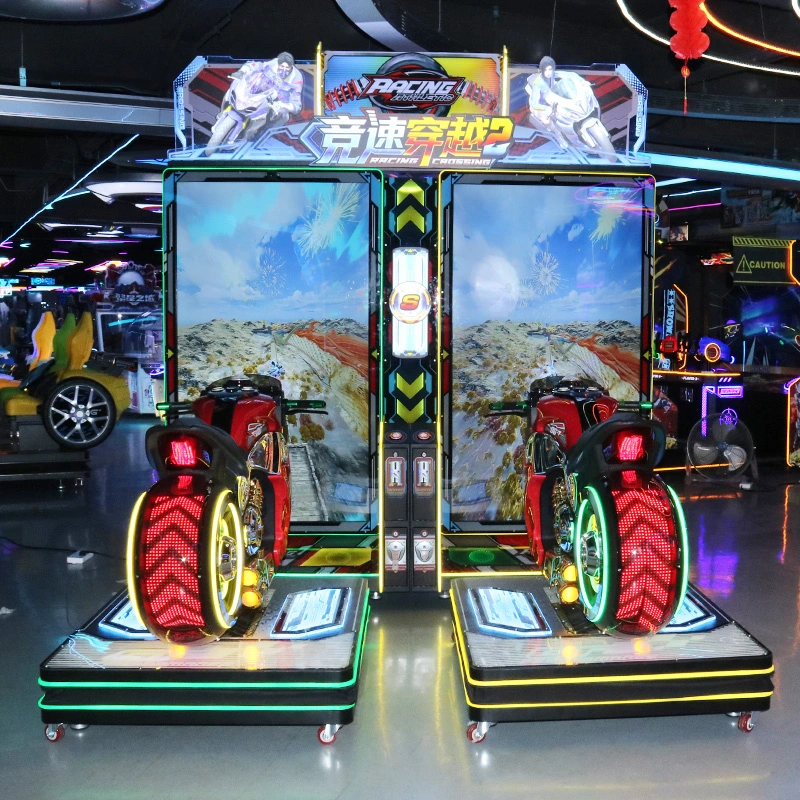
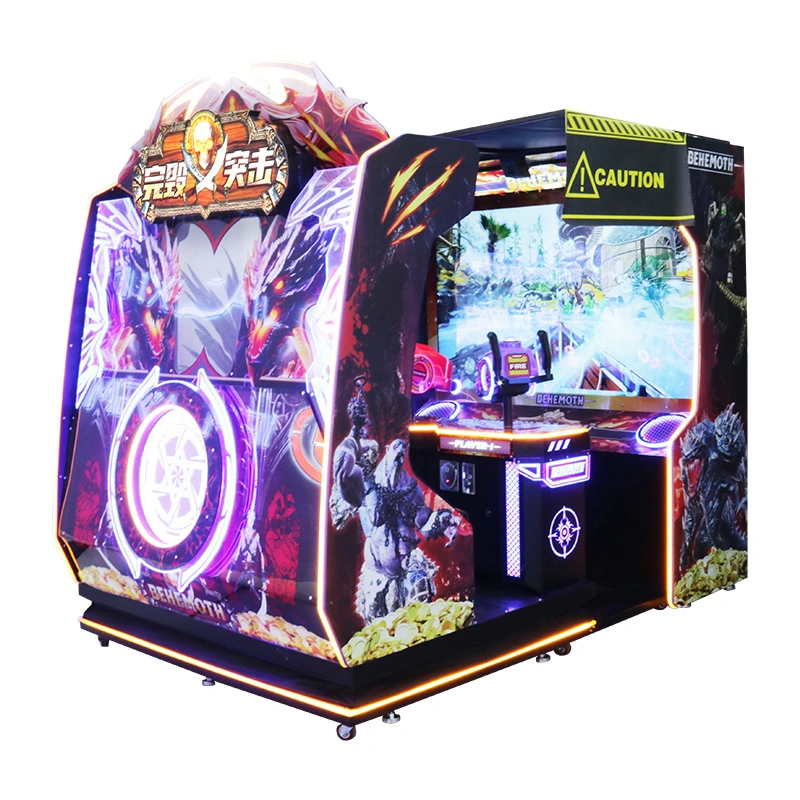
Speed Crossing racing simulator arcade machine, cabinet detail

Speed Crossing

A coin-operated, two-player racing simulator with full-motion seats. Sessions run through dynamic race tracks and mission-based scenarios, so the cabinet serves both casual walk-ups and repeat players chasing a ranking.

Working power, standby power, cabinet dimensions and net weight are confirmed in writing for your configuration before the order is placed — ask for them with your quote.

What Full-Motion Seats Actually Change

Motion is the reason a visitor picks one cabinet over another, and the reason your operating routine needs a second look. Three trade-offs to weigh before you buy.

01

Pricing headroom

A motion cabinet with a 75-inch display reads as an experience, not a quick game. That supports a higher session or token price than a fixed-seat racer — but only if the two are placed side by side so visitors can see the difference for themselves.
02

Cycle time and throughput

Moving seats add a settle-in and settle-out moment to every session. Plan the queue lane and the staff routine around that extra time rather than around seat count alone, otherwise hourly throughput drops below your model.

03

Installation and upkeep

Motion hardware needs a stable floor, fixing points and clear travel space. Confirm installation requirements, clearance and the service routine with the supplier before delivery day, and keep a simple fault log for the seat mechanisms.

Site Readiness Checklist

Walk through these six items with your fit-out contractor and electrician while you are still comparing models.

Electrical supply

Ask for working and standby power in writing for your exact configuration, then size a dedicated circuit with your electrician. Do not plan from a headline wattage alone.

Floor loading and anchoring

Motion cabinets transfer load through the frame. Confirm floor construction and fixing points with your building engineer before the delivery date is fixed.

Clearance and sightlines

Motion travel and a 75-inch display both need breathing room. Confirm recommended clearance so spectators can watch without standing inside the playing area.

Queue and spectator lane

Put the queue beside the cabinet, not in front of the screen. Two players per cabinet means a queue of four is already two full sessions of waiting.

Payment handling

Decide between coins, tokens or a card system before ordering, so the payment hardware on the cabinet matches the way your venue already collects money.

Opening-week routine

Fix a short daily routine: strap and seat inspection, screen wipe-down, and a log entry for any motion fault. Small habits keep the anchor cabinet available.

Spec Mistakes That Cost Money

These are the four points where racing-zone budgets usually go sideways — all of them avoidable with one written confirmation.

Signing on a headline wattage

Working and standby draw are different numbers, and both change with configuration. Get the confirmed figure for your unit before the electrician quotes the circuit.

Assuming dimensions and weight

Never estimate a cabinet's footprint or net weight from a photo. Request both in writing and check doorways, lift capacity and the delivery route before shipping.

Comparing a 43-inch racer with a 75-inch simulator

They are different products with different footprints, prices and session values. Buy one of each where space allows, and price them as two tiers, not one.

Forgetting the queue in the throughput model

Players per hour depends on session length and settle time, not just seats. Add the queue lane to the floor plan at the quoting stage, not after installation.

Send Your Floor Plan, Get A Configuration And A Quote

Share your venue type, available floor area and target session price, and the team can propose a cabinet mix — a full-motion anchor, supporting sit-down racers, and a novelty unit where the crowd profile calls for it. OEM/ODM requests, custom builds and multi-unit zone orders are handled through the same channel, with round-the-clock online support.

Related Reading

Three notes to help clarify product requirements before contacting the supplier.

Two-Player Arcade Racing Machines in Amusement Parks and FECs

Side-by-side racing cabinets turn a single purchase into a shared moment, which changes how amusement parks and family entertainment centers plan floors and player flow.

Read article

Racing Simulator and Motion Arcade Categories in Commercial Arcade Manufacturing

Racing simulator, motion arcade, coin-operated, manufacturer, supplier, OEM, and ODM labels describe different layers of the same commercial arcade market.

Read article

Display Care for 75 Inch Commercial Arcade Racing Screens

Dust, heat, and viewing angle quietly decide how long a 75-inch arcade racing screen stays bright and readable in a busy venue.

Read article

Frequently Asked Questions

what information is shown for this product?

review the product details, images, and specifications presented on the official product page.

where can i check the intended application?

use the application and use-case information published on the official product page.

which specifications should i confirm before ordering?

confirm the specifications and options listed for the exact product variant before placing an order.

where can i check available options?

check the official product page or ask the supplier about options shown for the selected product.

how can i request product information?

use the official contact or inquiry path provided on the site.

what should i include in an inquiry?

include the product page, intended use, required quantity, and any specifications you need the supplier to review.

Leave a message
Name
Email *
Phone
Message